English
 Deutsch
 Español
 Français
 Türkçe
 日本語
日本語
 Português
 Русский
 中文
中文




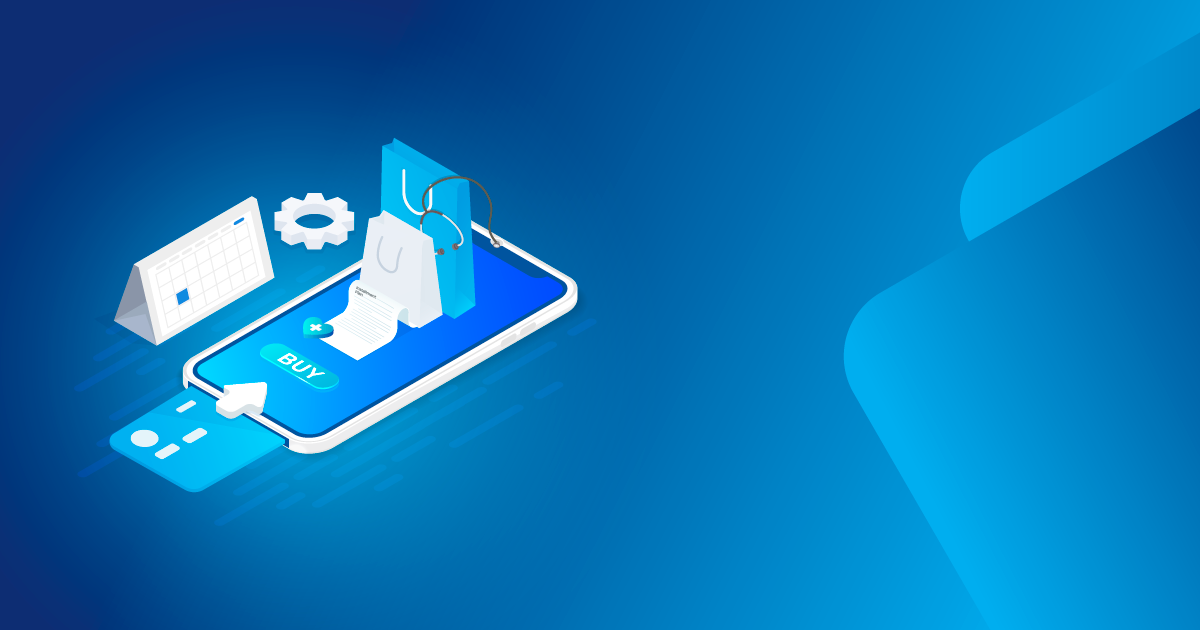
Not long ago, Buy Now Pay Later (BNPL) was mostly seen as a convenient way to install payments for clothes, electronics, or online shopping. It felt like a modern, interest-free alternative to using a credit card. Today, that image is changing fast. BNPL is breaking out of its retail bubble and moving into places most people didn’t expect, such as healthcare, education, travel, everyday bills, and even business finance.
This wider adoption has also brought BNPL greater attention from governments and regulators. In 2026, new rules will shape how companies offer BNPL, how consumers qualify, and how much transparency is required before signing up. In other words, BNPL is evolving. It’s shifting from a trendy checkout button into a larger part of the financial system and that comes with both opportunities and responsibilities.
From Optional to Essential: BNPL in Everyday Life
The most striking trend for 2026 is the migration of BNPL into essential services. We’re seeing a clear shift from optional spending to spending on critical needs.
Healthcare in Installments
The most human impact may be in healthcare. By 2026, few would charge a root canal or an emergency vet visit on a high-interest credit card. Instead, BNPL is now integrated into healthcare portals, offering a lifeline to people who need care immediately but don’t have cash readily available.
The Utility Buffer
More households are turning to BNPL to manage seasonal spikes in heating or cooling costs. It’s emerging as a modern budgeting tool that helps ensure a heavy winter bill doesn’t derail the family budget in January.
Upskilling Without Debt
Education is emerging as the next frontier. Short-term bootcamps and professional certifications are moving away from traditional student loans and toward flexible payment plans, making upskilling feel more like a monthly subscription than a life-altering debt.
Business BNPL: A Professional Pivot
It’s not just individuals experiencing this shift. Small business owners are feeling it too. Picture a local coffee shop owner who needs a new espresso machine to keep operations running. In the past, that meant navigating a mountain of paperwork for a bank loan. In 2026, business BNPL makes it possible to restock or upgrade at the digital checkout, with repayments aligned to incoming revenue. It’s transforming “cash flow stress” into “cash flow management.”
What This Looks Like at Checkout
- No More “Ghost Debt”
BNPL providers are now largely required to report to credit bureaus. It’s a double-edged sword: paying on time can finally help you build credit, but missing a $50 payment could hurt your ability to get a mortgage later. - Affordability First
In 2026, expect more “soft” credit checks. The goal is to prevent “debt stacking,” where someone signs up for multiple BNPL plans across different apps, only to realize by the end of the month that their paycheck is already gone. - Real Protection
If you use BNPL to book a flight and the airline goes bust, 2026 regulations give you the same refund protections you’d get with a traditional credit card. The “buyer beware” era is being replaced by “provider responsibility.”
A Smarter, More Personal Credit Experience
Technology is what makes all of this possible without the long, 1980s-style bank queues. By 2026, AI and open banking have made credit almost “invisible.”
Instead of relying on a static credit score from over five years, BNPL apps now use AI to analyze your current banking data (with your permission). They can see if you have just got a raise or have been consistent with your rent, allowing for personalized repayment schedules. You get paid on the 15th? Your BNPL plan can automatically align the due date to the 16th. It’s a more empathetic approach to lending. One that recognizes life doesn’t always fit neatly into 30-day cycles.
Conclusion: BNPL That Works for Everyone
As we move through 2026, it’s clear that thoughtful BNPL regulation isn’t about limiting innovation, it’s about making sure the system works fairly for everyone. With clearer rules, stronger consumer protections, and more transparent terms, BNPL can continue to evolve while reducing the financial stress that unregulated lending has created in the past. If done well, these changes can help BNPL evolve into a safer, more reliable tool that supports everyday consumers rather than putting them at risk.