English
 Deutsch
 Español
 Français
 Türkçe
 日本語
日本語
 Português
 Русский
 中文
中文



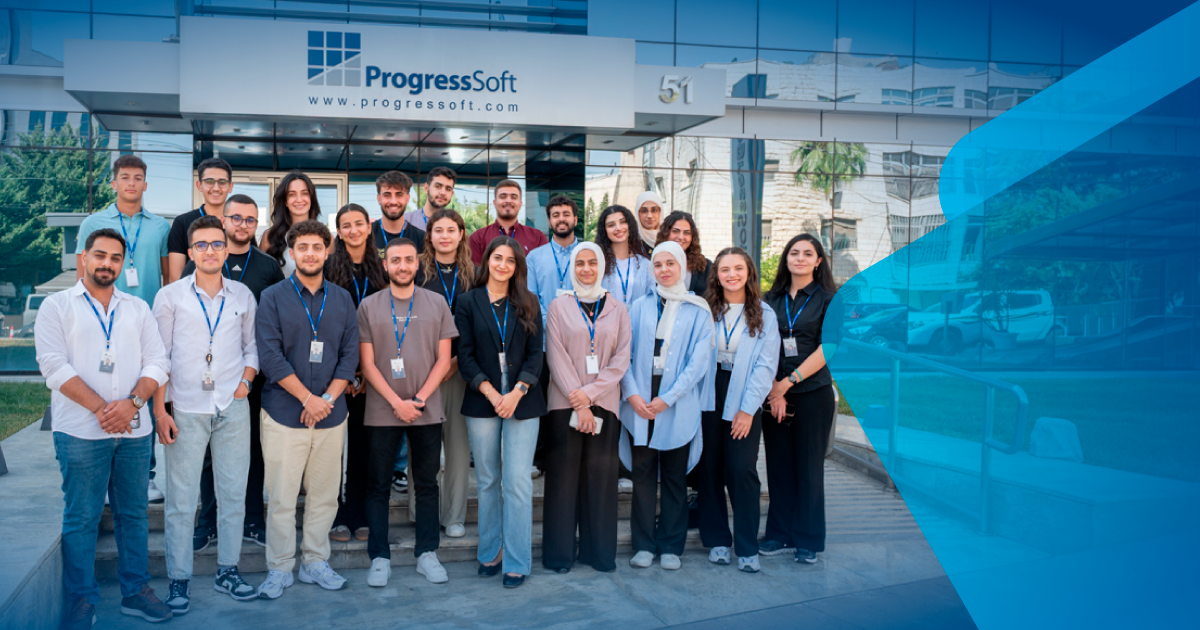
Over the past few months, our team at ProgressSoft attended several career fairs across the region, connecting directly with students and graduates exploring careers in technology and payments, and gaining insight into their questions, ambitions and expectations.
These events are more than recruitment touchpoints. They are often the first bridge between academic life and a professional future.
At each event, we saw a strong sense of curiosity and ambition. Many students told us they were unsure where to start, especially without direct experience in the field. At the same time, one thing became clear: there is still a gap in understanding what roles exist, what skills are required and how to break into payments and fintech.
That realization inspired us to create this guide. It draws from those conversations and the perspectives of our professionals to help job seekers better navigate opportunities in this fast-evolving industry.
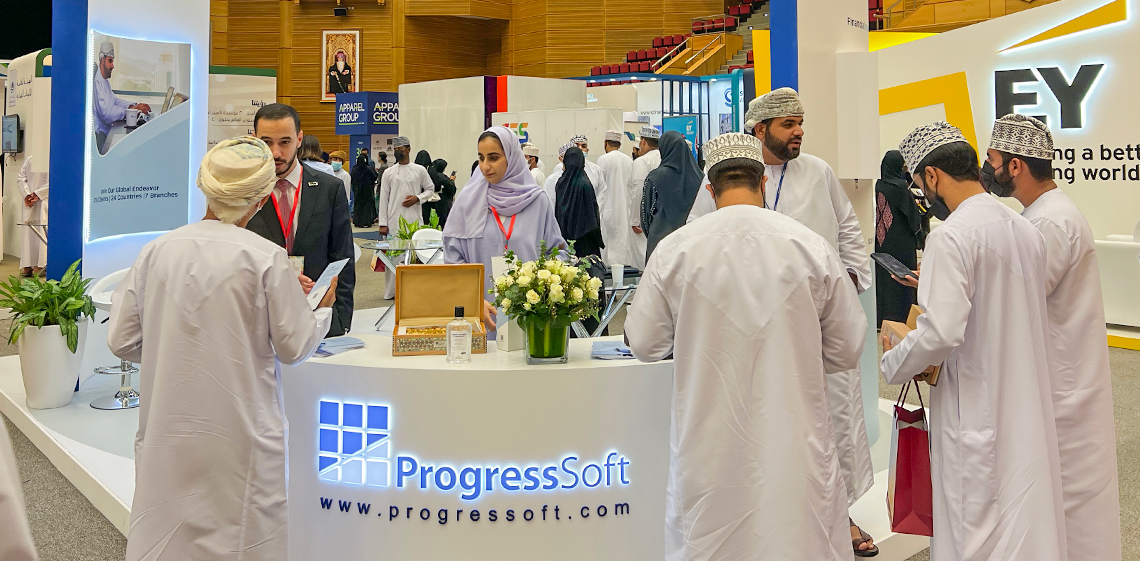
What We Heard at Career Fairs
Across our conversations, a few common questions and concerns consistently came up:
Do I need a finance degree to work in payments?
Not necessarily. Many roles are driven by technology, which means candidates from diverse academic backgrounds can succeed. A finance background can be helpful, but curiosity, technical capability, problem-solving and willingness to learn are just as important.
What opportunities are available for fresh graduates with no experience?
At ProgressSoft, we strongly believe in investing in fresh graduates. One of our key initiatives is our Induction Program, a focused two-month training program designed to prepare newly hired graduates before they join technical teams.
These inductions cover areas such as Java development, support and implementation, and are offered multiple times throughout the year, equipping graduates with practical skills and context they need to contribute effectively from the start.
Do we hire interns and on what basis?
Yes, we do. Selection depends on both performance and available openings. We typically look for students with strong academic performance, as well as those who go beyond coursework through certifications, exchange programs, independent projects or other practical learning experiences.
What kinds of roles are available?
Opportunities span technical, business and operational functions. These include software development, AI and data science, DevOps, cybersecurity, business development, marketing, UX, project management, implementation and support, governance, risk and compliance, HR and design.
How can I stand out with limited experience?
This is one of the most common and most important questions, and it is exactly where many candidates can begin to differentiate themselves, even before they have formal work experience.
How to Stand Out Without Experience
One of the biggest concerns we hear is, “How can I get hired without experience?”
Standing out is less about what you lack and more about how clearly you present the value you already bring.
The candidates who capture our attention present themselves not just as students, but as young professionals who have already started building their path.
Some of the strongest differentiators we see include:
- Relevant coursework aligned with the role
- Internships or practical training experiences
- Strong academic performance
- Participation in exchange programs
- Academic honors or awards
- Published research or technical projects
- Voluntary or community work
These experiences signal initiative, curiosity and commitment, qualities that matter just as much as formal work experience.

What We Look for in Candidates
While roles differ, there are a few qualities we consistently value:
- Curiosity about how things work: Understanding how transactions flow, for example how a payment is initiated, processed and settled, can set you apart.
- Strong foundations: Whether your strength is coding, data or business analysis, having a solid base and knowing how to apply it is key.
- Awareness of the bigger picture: Payments do not operate in isolation. Awareness of user experience, security, reliability and regulatory considerations are a strong advantage.
- Communication and ownership: Being able to explain your thinking, collaborate effectively and take initiative is just as important as technical ability.
Practical Advice from Our Team
Based on our experience engaging with candidates, here are a few practical tips:
- Go beyond theory: Try to understand practical payment scenarios. For example, what happens when a transaction fails, why it may fail and how it can be resolved.
- Show your thinking: Even without direct experience, walk through how you would approach a problem. Employers value structured thinking and problem-solving.
- Tailor your applications: Highlight relevant projects, coursework or experiences that demonstrate your interest in fintech or payments.
- Stay curious: The candidates who stood out most were the ones asking thoughtful and informed questions.
Why Choose Payments and Fintech?
The financial and payments space sits at the intersection of technology, business and regulation. It is not just about moving money. It is about enabling secure, seamless and scalable experiences that power everyday transactions and entire economies.
For example, enabling instant payments or supporting national financial infrastructure requires systems that can manage high transaction volumes with speed, reliability and security.
From digital payments to fraud detection and compliance, the industry continues to evolve rapidly. This creates exciting opportunities, but also demands a mix of technical knowledge, business awareness and adaptability.
Pathways to Get Started
We recognize that starting out can feel challenging. We actively create opportunities for early career talent:
- Internship opportunities that provide hands-on experience and exposure to real projects
- Company sponsored dissertation opportunities aligned with real industry challenges
- Full-time roles across different functions for graduates and early career professionals
- Structured onboarding through programs like our Induction Program, designed to accelerate learning and integration
These pathways are built to help you develop practical skills, learn from experienced professionals and grow within a dynamic environment.
A Final Thought
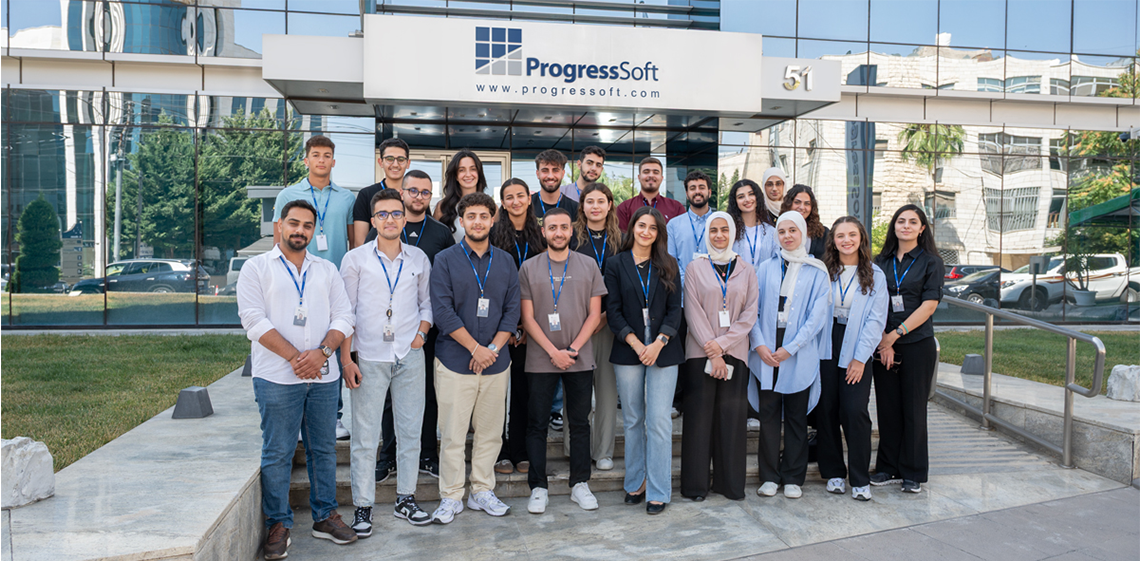
Meeting students and graduates across these events was a strong reminder of how driven and capable the next generation of talent is. At ProgressSoft, we do not just look for experience. We look for people who are ready to grow, contribute and take ownership of real challenges.
If you are considering a career in financial and payment solutions, start where you are, build what you can and stay curious. We look forward to seeing more of you take that next step and hopefully welcoming some of you to our team.