 English
 Deutsch
 Español
 Français
 Türkçe
 日本語
日本語
 Português
 Русский
 中文
中文
Payment Investigation Management
ProgressSoft’s Payment Investigation Management centralizes and streamlines the complete payment investigation lifecycle, giving financial institutions one environment to manage payment exceptions, disputes and reconciliation breaks from initiation through resolution.
The solution brings together case management, workflow automation, intelligent routing, SLA monitoring and integration with the wider payment ecosystem to keep investigations moving efficiently across teams and systems. By replacing fragmented processes and manual follow-ups with structured, traceable workflows, it enables faster resolution, stronger operational control and consistent handling of every investigation.
Features
End-to-End Investigation Management
Manages the complete investigation lifecycle in one workspace, from receiving an investigation request and creating or updating a case to linking payment references, assigning ownership, exchanging information, following up and closing the case. Every investigation remains connected, visible and traceable throughout its lifecycle.
Automated Investigation Workflows
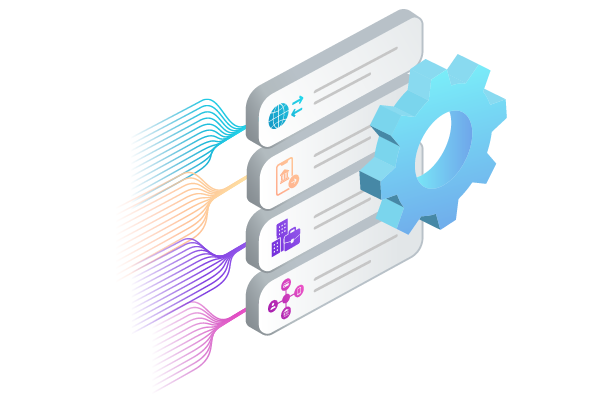
Automates the operational steps that keep investigations moving. ProgressSoft’s Payment Investigation Management can create cases from incoming messages, categorize them using configurable criteria, route them to the appropriate department, issue standard responses, trigger SLA-based chasers and escalate unresolved cases according to defined rules.
Payment Ecosystem Integration
More features
Automatic Case Creation
Evaluates incoming investigation messages to determine whether to open a new case, link the message to an existing case or store it without creating a case, helping reduce manual intake while keeping related investigation activity connected.
Controlled Investigation Resolution
Supports investigation resolution through Swift or custom messages, email communication, case reassignment, linking, attachments and closure controls. Institutions can determine which actions require maker-checker approval and which checks must be completed before a case is resolved.
SLA Monitoring and Chasers
Tracks open cases against configurable SLA thresholds and supports automatic or manual follow-up reminders when responses are overdue. Institutions can define reminder timing, frequency, limits and escalation actions to maintain momentum on unresolved investigations.
Intelligent Categorization and Department Routing
Categorizes cases using configurable message types, keywords and mapping rules, then routes them to the responsible department. Unclassified cases can be directed to a general queue, ensuring every investigation enters a defined operational path.
Controlled Investigation Communications
Provides reusable templates for acknowledgements, inquiries, closures and chasers, helping teams maintain consistent communication while controlling who can create, approve and maintain shared templates.
Configurable Investigation Controls
Allows institutions to define how investigations are classified, prioritized, routed, escalated and resolved, alongside required fields, validations, access controls, approvals and segregation of duties.
Full Investigation Traceability
Maintains case statuses, timestamps and a full record of investigation activity, giving institutions clear evidence of what happened, who acted, how cases progressed and whether defined service levels were met.
Cloud-Native Architecture
Built on a cloud-native architecture and configurable for different payment environments, from individual financial institutions to broader payment infrastructures and distributed central-bank implementations.
Benefits
Faster Investigation Resolution
Keeps payment investigations moving through automated case creation, routing, follow-up and escalation, reducing delays caused by manual handoffs and fragmented processes.
Reduced Manual Effort
Replaces repetitive intake, routing, chasing and standard communication with structured automation, allowing investigation teams to focus on cases and decisions that require their expertise.
Stronger SLA Performance
Continuously tracks investigation deadlines and supports reminders and escalation before unresolved cases are overlooked, helping institutions reduce SLA breaches and maintain more predictable service levels.
Complete Operational Visibility
Brings case status, ownership, workloads, SLA adherence and resolution progress into one environment, giving operations and management a clearer view of investigation activity and outstanding issues.
Consistent Case Handling
Standardizes how investigations are received, categorized, routed, followed up, escalated and closed, creating a more consistent operating model across teams, payment types and channels.
Stronger Governance and Control
Applies defined investigation rules, approvals, segregation of duties and audit trails throughout the case lifecycle, strengthening accountability and providing evidence that cases are handled according to policy.
Unified Payment Investigations
Extends one case-management model across different payment types and rails while linking each investigation to the appropriate payment references and systems, reducing fragmented investigation processes.
Scalable Investigation Operations
Provides a structured operating model that can support growing payment volumes and investigation workloads without relying on proportionate increases in manual coordination and follow-up.